Reference: Introducing Claude Opus 4.8

Anthropic’s Claude Opus 4.8 is not being sold as a flashy leap so much as a steady improvement: better coding, stronger agent behavior, and more consistency on long-running work. For people building with Claude or living in Claude Code all day, that kind of upgrade can matter more than a headline benchmark bump.




What strikes me is that this is a very Anthropic-style release: less “look at the giant new frontier” and more “we made the model more dependable, more configurable, and better at real work.” Honestly, that’s the kind of improvement I’d care about most if I were shipping with Claude Code or agent workflows.

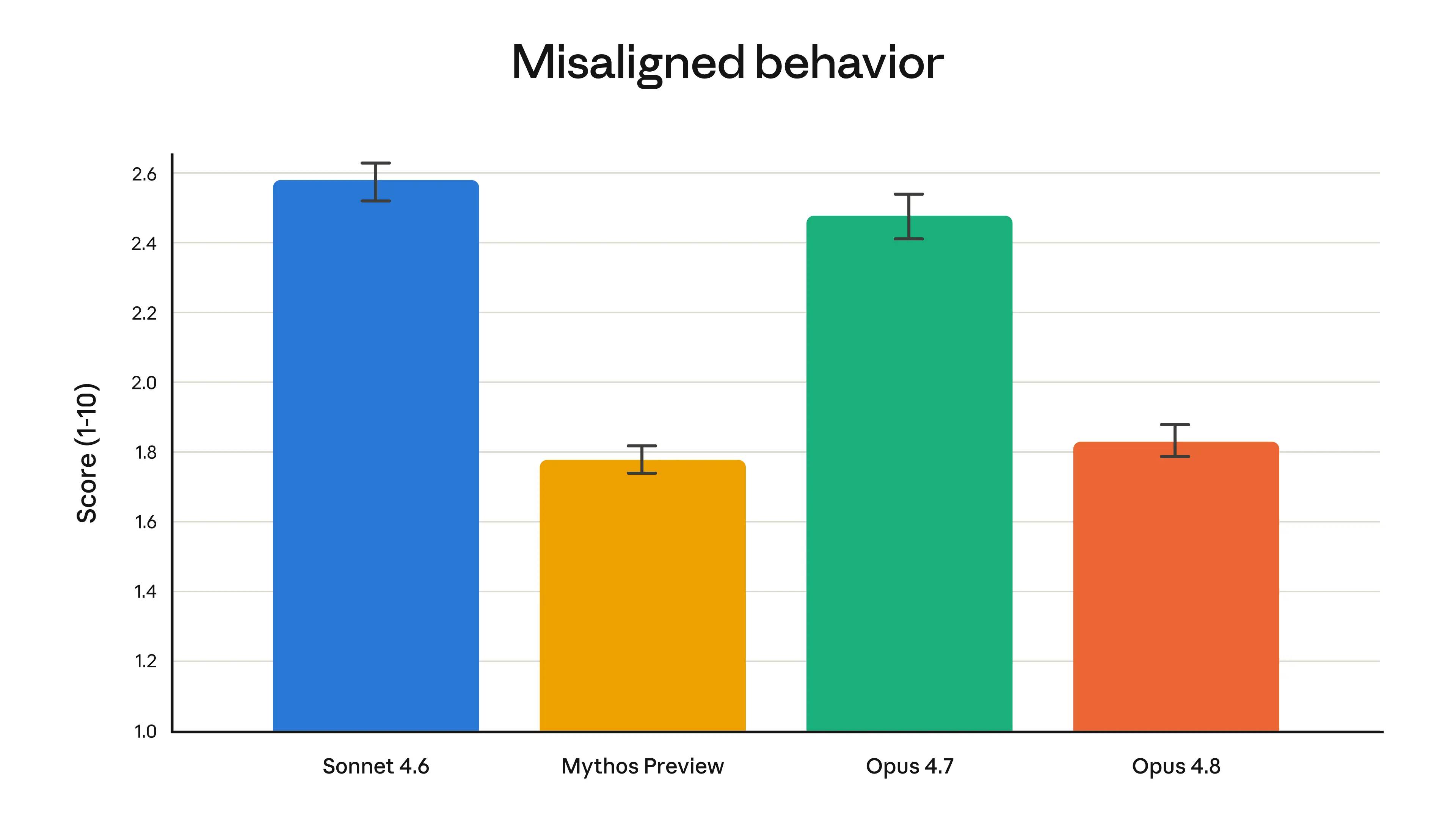
The most interesting part to me is the emphasis on judgment and honesty. A model that catches its own mistakes, asks better questions, and pushes back on bad plans is often more valuable than one that just sounds smarter. I’d be especially curious whether Opus 4.8 actually reduces the annoying failure mode where an agent barrels forward confidently with weak evidence. If that improvement holds up in practice, it’s a big deal.

I also think dynamic workflows could be genuinely useful, but only if they stay controllable. Running hundreds of parallel subagents sounds powerful, but it also sounds like the sort of feature that can become expensive and noisy if the orchestration isn’t tight. I’d want to try it on something boring-but-real, like a large migration or a messy refactor, not a demo-shaped problem.

The effort control is a smart product move. It gives users a way to trade speed, cost, and depth without changing models constantly. That feels more practical than a lot of “agent mode” branding out there. For developers, especially, I think that kind of knob is much closer to how work actually happens.


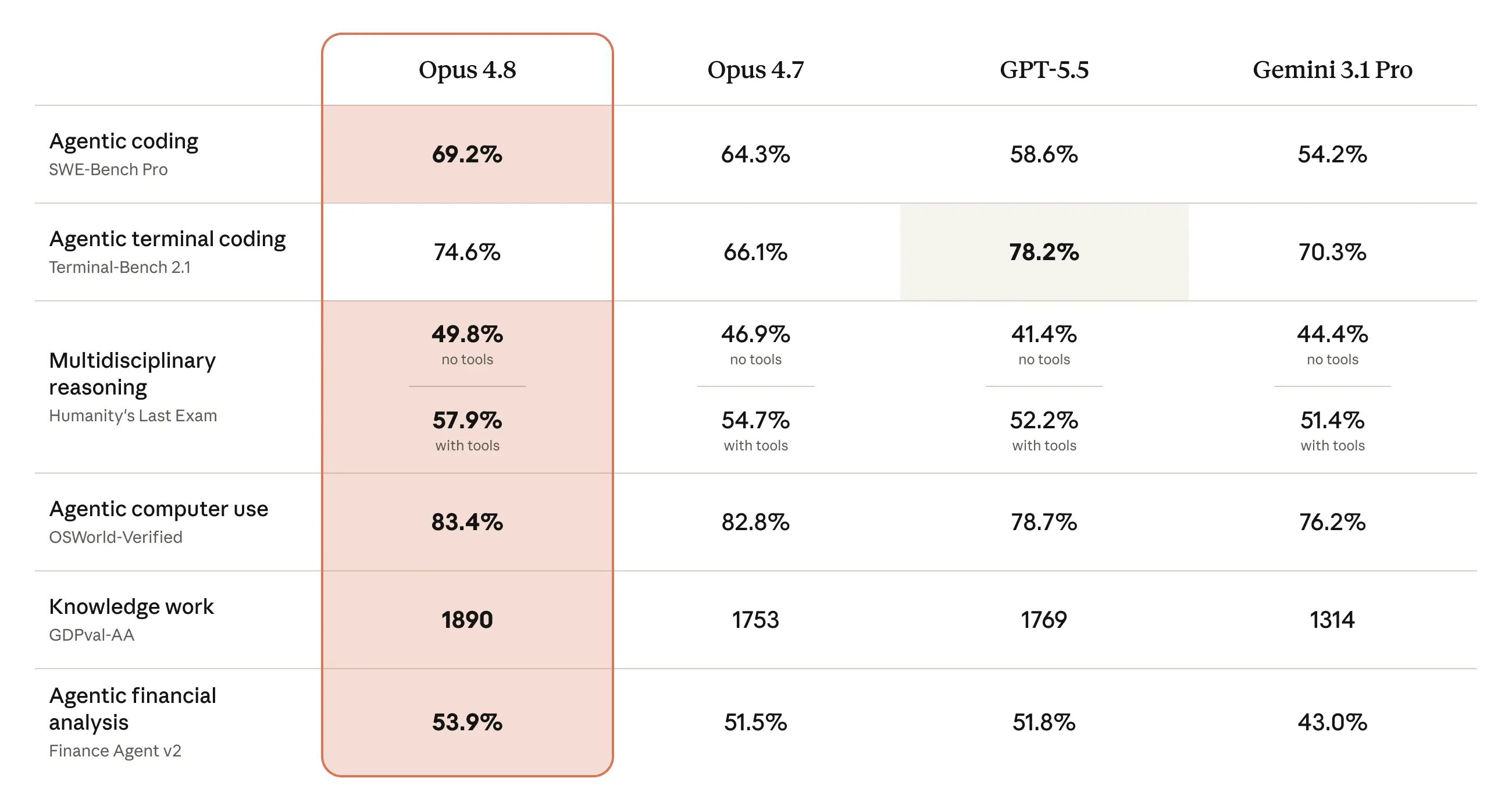
What feels a little overhyped, at least from the article alone, is the usual parade of benchmark wins and testimonial quotes. Some of those results sound impressive, but I’d still treat them as directional rather than decisive. I’d trust the improvements more after using Opus 4.8 on my own codebase, my own docs, and my own ugly multi-step tasks.

If I were a Claude developer, I’d try three things first: higher-effort mode on a hard coding task, dynamic workflows on a large repo change, and the new Messages API system-entry behavior in a custom agent harness. That seems like the fastest way to find out whether this release is just nicer marketing or a real workflow upgrade.

The short version: Opus 4.8 looks like a solid, developer-relevant refinement rather than a giant reset. If the reliability gains are real, this may be one of those releases that quietly makes Claude more trustworthy in day-to-day agentic work.