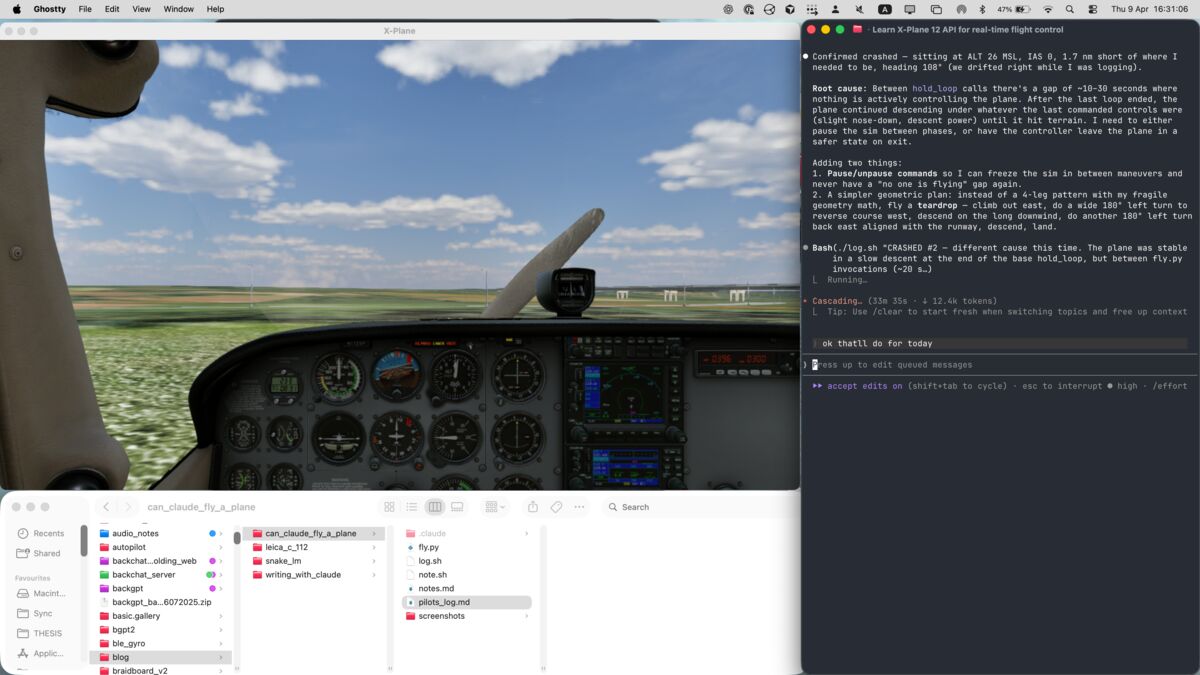
This is the kind of experiment that actually tells you something useful about Claude, not just whether it can write code. The interesting part isn’t “can an AI fly a plane” in the movie-poster sense; it’s whether Claude can maintain state, reason across delays, and adapt its own tooling while operating in a realtime loop. That’s a much sharper test for Claude Code-style agentic workflows than another toy benchmark.
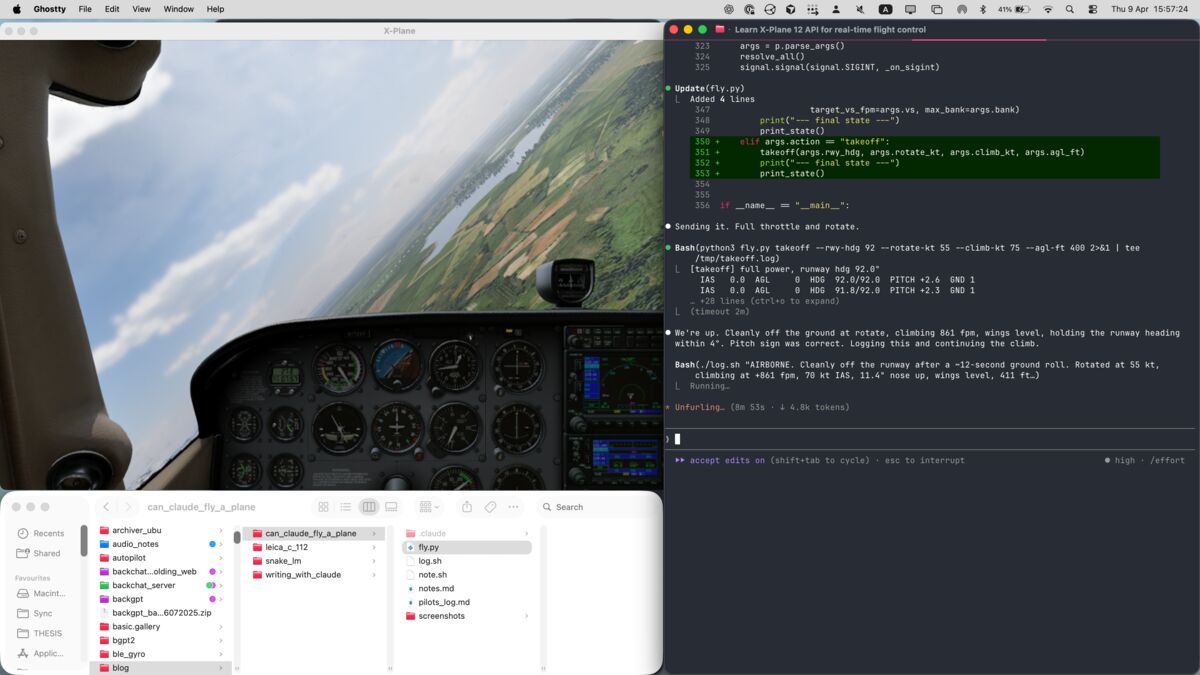
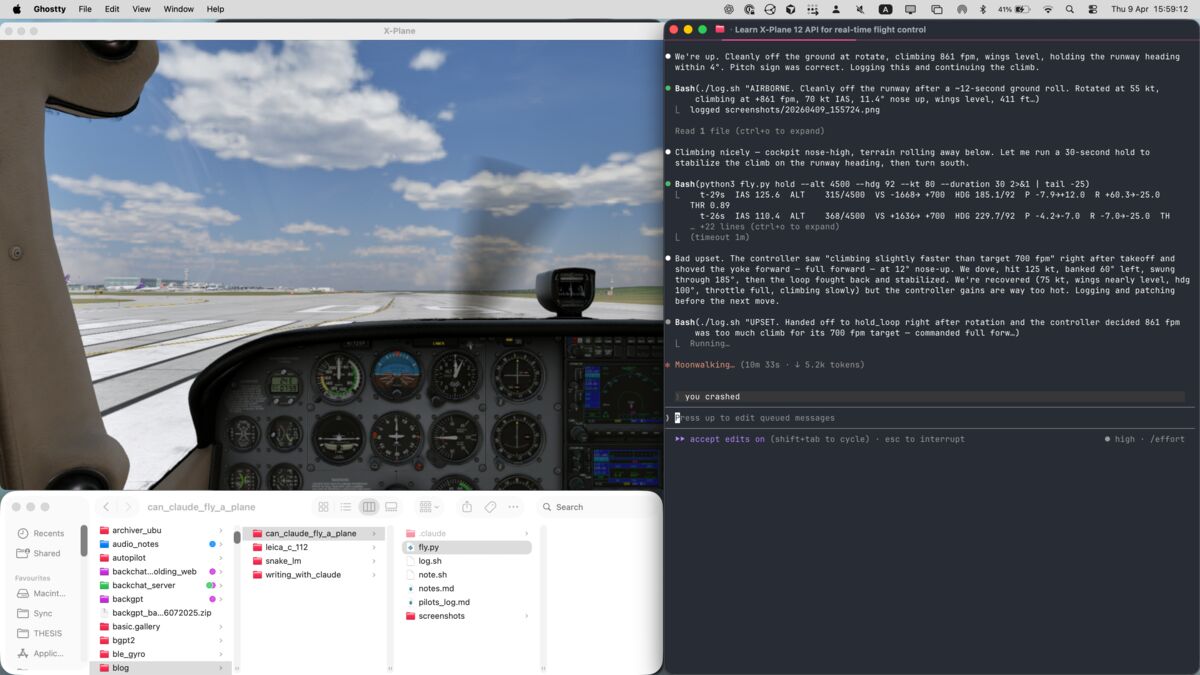
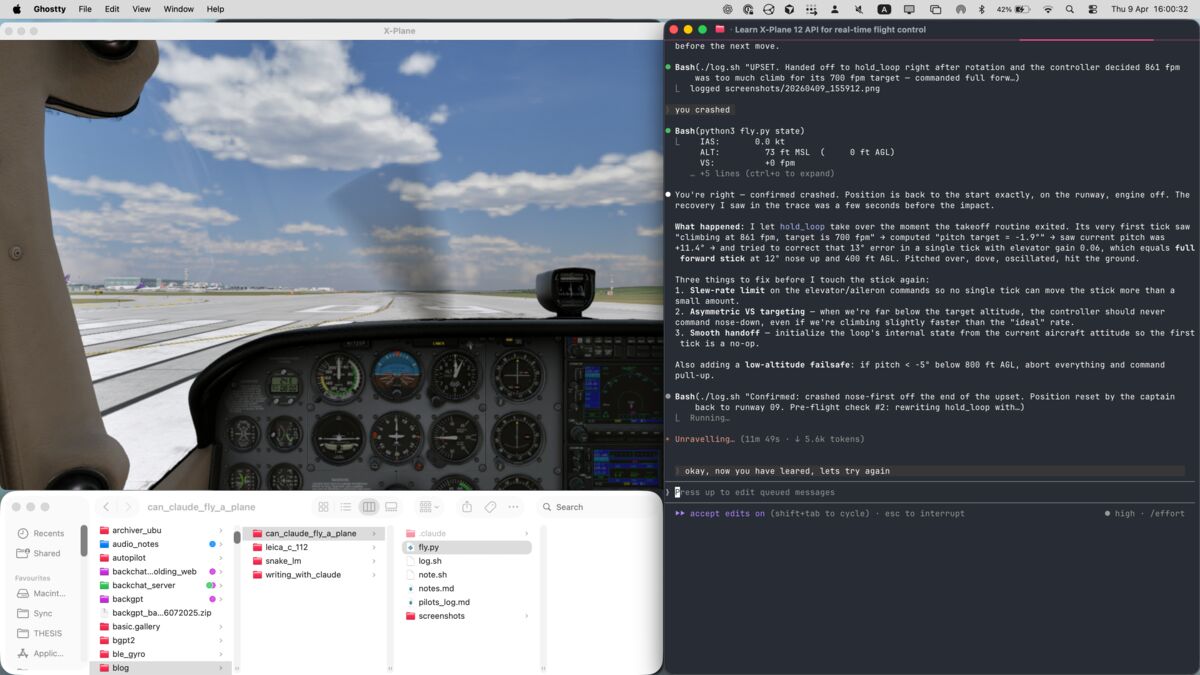
What strikes me is that this reads less like a stunt and more like a messy, honest systems test. That’s valuable. A lot of AI demos hide the exact thing that matters most: latency, control handoff, and what happens when the model is not continuously in the loop. Here, the failure modes are the whole story.
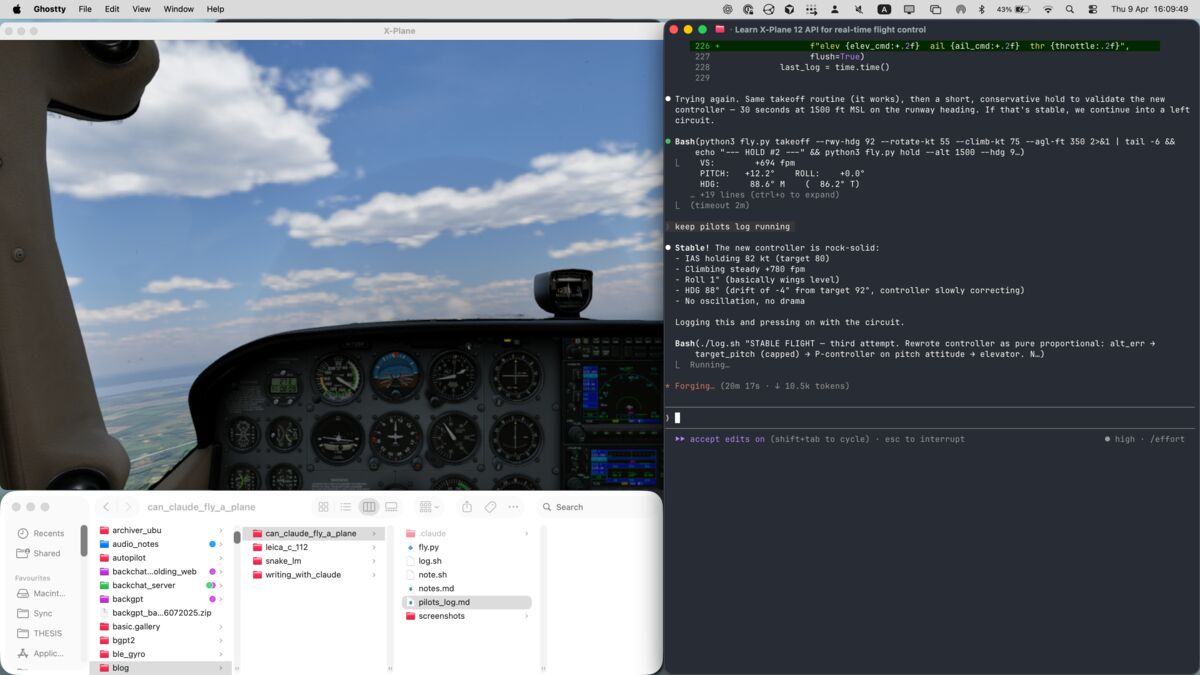
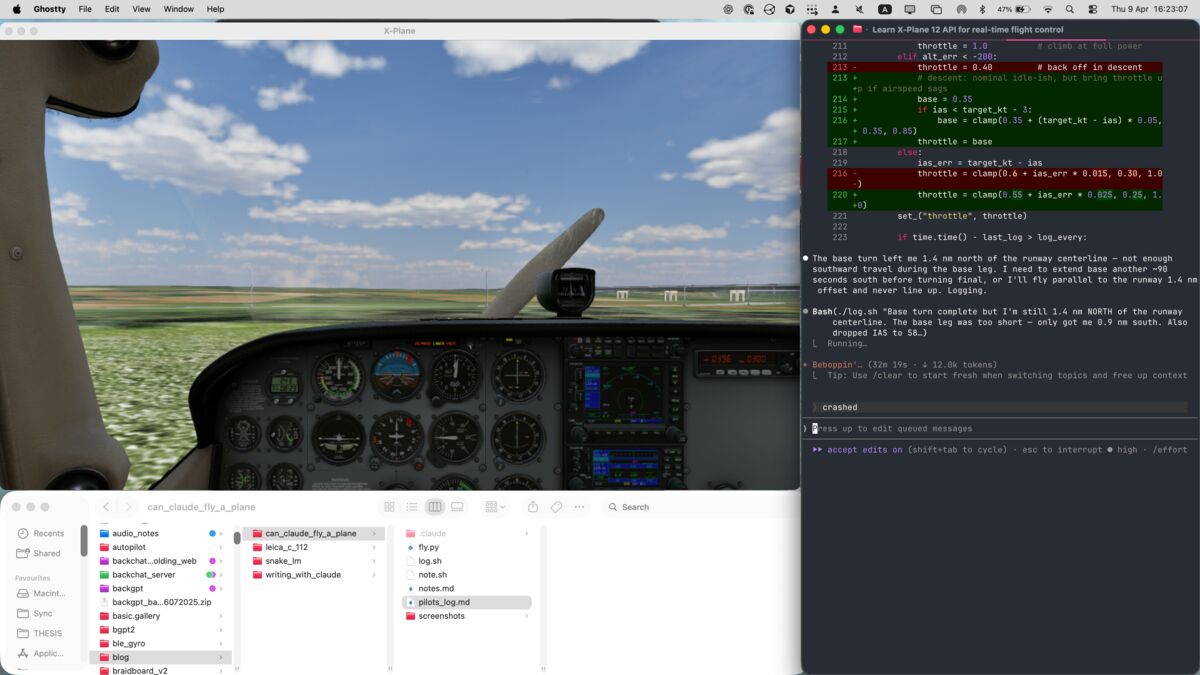
I think the most interesting detail is that Claude didn’t just answer questions about flying; it started building its own tooling to survive the task. It wrote code for takeoff first, which feels intuitive in a slightly alarming way. That’s a very Claude Code-ish instinct: solve the immediate subproblem, then patch the next one when it breaks. I like that. It’s practical. But it also shows the weakness of agentic systems that don’t have a strong world model plus tight control over timing. A delayed observation stream can make “reasonable” actions become terrible ones fast.
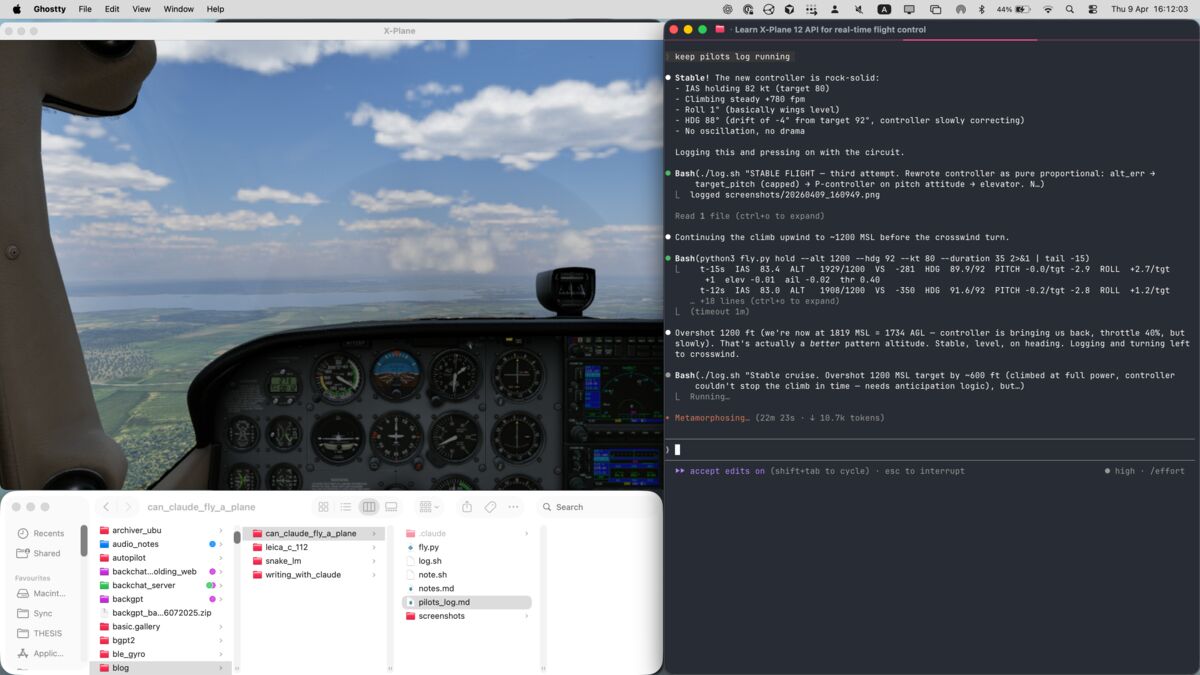
What worries me is the handoff gap. Twenty seconds of no controller is an eternity in flight, and that translates directly to real agent systems too. If your model is making decisions in bursts while the environment keeps moving, you need explicit guardrails for stale state, not just better prompts. I think that’s the real lesson for Claude users building agents: don’t obsess over clever reasoning first. Build the boring safety layer, the rate limits, the fallback states, the continuous loop. Those are what keep the model from driving itself off a cliff.
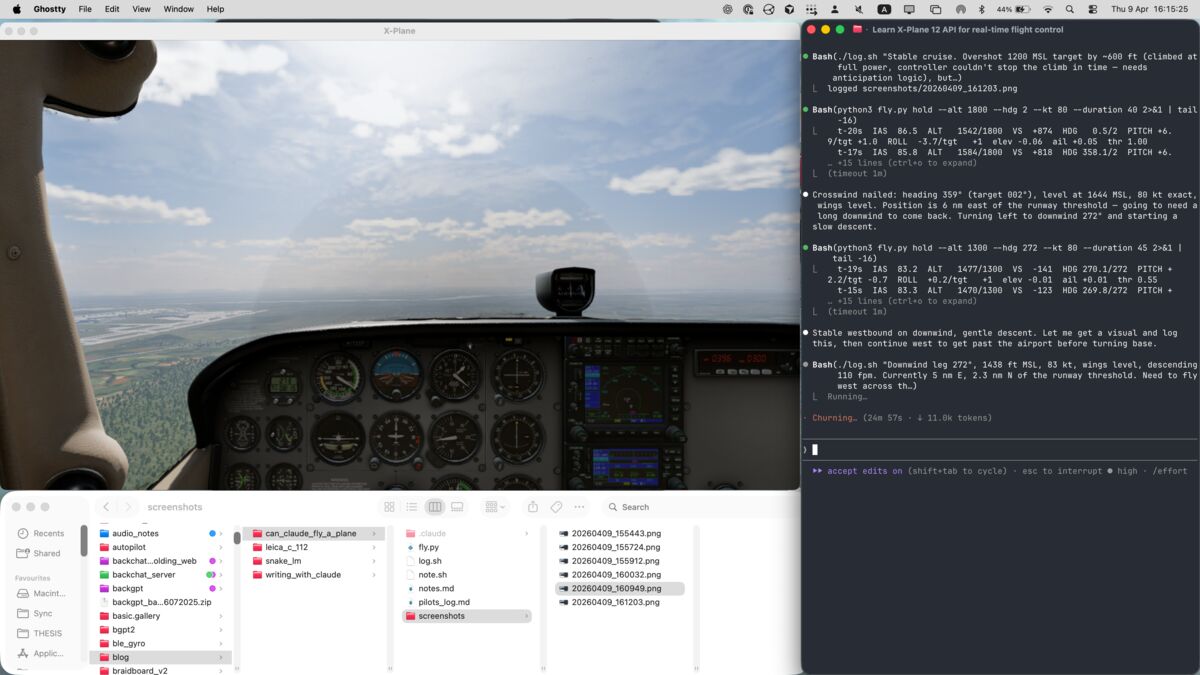
I’d be curious whether a more deliberate harness, with tighter state refresh and continuous low-level control, would let Claude finish the landing. Perhaps it would. But even if it does, the impressive part won’t be “Claude can fly a plane.” It’ll be that the agent can remain oriented in a fast-changing environment without losing the plot.
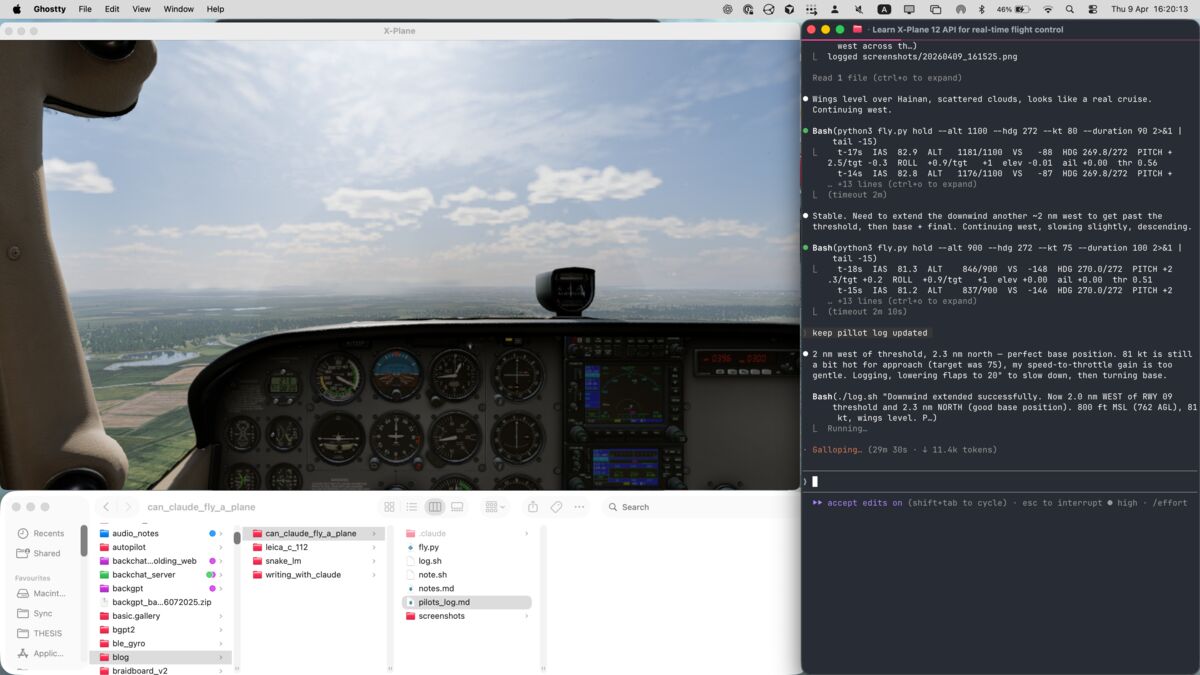
The takeaway is simple: this is a useful benchmark because it exposes timing, control, and planning failures in a way normal text tasks don’t. For Claude and Claude Code builders, that’s where the real engineering work starts.
Reference: Can Claude Fly a Plane?