Anthropic’s new Claude Corps is interesting because it turns “AI for good” from a vague slogan into a concrete deployment model: train people, place them inside nonprofits, and pay them to do real work for a year. For Claude and Claude Code builders, this is less about a flashy product launch and more about a serious bet that the best way to spread AI capability is through embedded, human-supported implementation.
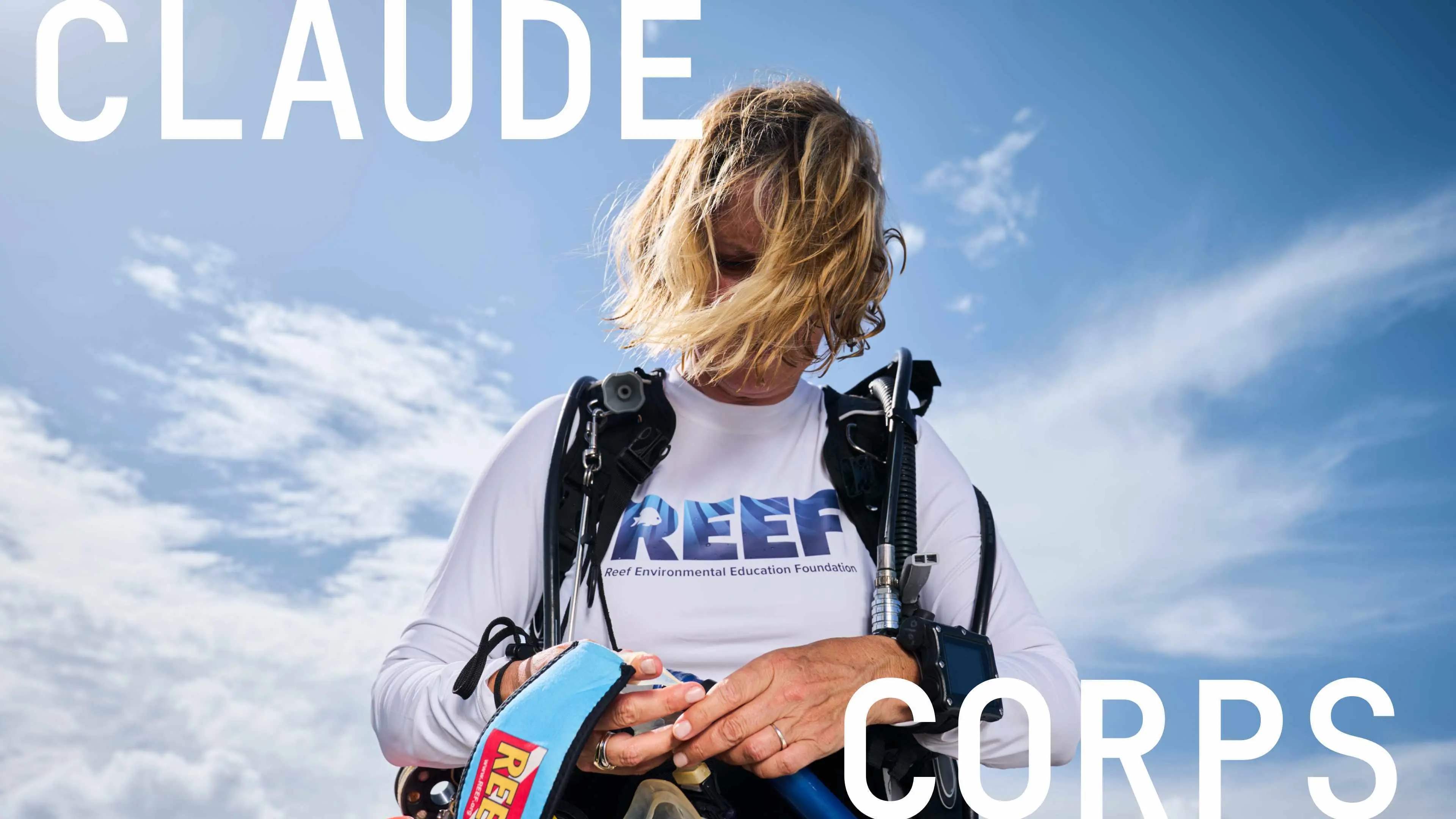
What strikes me is that this is one of the more concrete “AI workforce” programs I’ve seen from a frontier lab. A lot of companies talk about democratizing AI, but here Anthropic is actually paying people to sit inside organizations that can benefit from automation, analysis, and internal tooling. That feels more real than yet another generic startup accelerator or “AI upskilling” webinar series.
I think the strongest part of Claude Corps is the embedded model. If you’ve ever built with Claude Code or Claude in a real org, you know the bottleneck is rarely raw model capability; it’s usually the messy stuff around workflows, data access, process design, stakeholder trust, and maintenance. Putting trained fellows inside nonprofits could be a genuinely effective way to turn model capability into operational value.

The fellow support package also looks thoughtful. The weekly training, mentor support, and Anthropic office hours suggest this is not meant to be a one-off placement where someone is handed a prompt and told to “transform the organization.” That matters. Nonprofits often need implementation help, not just ideology. If this works, the underrated win may be that these fellows leave with practical AI judgment, not just “prompting” skills.
That said, I’d be curious whether the execution burden gets underestimated. Full-time, in-person placements across at least 400 nonprofits is a lot of coordination. The upside is clear, but the quality bar will be hard to maintain across such a wide range of host orgs, especially when needs vary from data cleanup to secure tooling to frontline service workflows. I think the program’s success will depend less on broad enthusiasm and more on whether the fellows are matched to painfully specific, high-leverage problems.
Another thing I’d watch closely is whether this becomes too “AI adoption theater.” The nonprofits quoted in the piece sound genuinely motivated, and many have real use cases: forecasting, donor analysis, secure tools, workflow automation, data-driven operations. But there’s always a risk that organizations accept a fellow because AI feels like a strategic requirement, not because they have the internal structure to absorb the work. The difference between a durable system and a demo is huge.
If I were a Claude builder, I’d pay attention to the kinds of tasks these fellows end up doing: internal reporting, knowledge retrieval, operational automation, intake triage, survey analysis, program planning, content generation, or secure assistants for staff. That’s the real signal. It could show which nonprofit workflows are actually ready for LLMs versus which ones still need human process redesign first.
I also think the fellowship is a smart way to create a generation of practitioners who understand Claude in context, not just in isolation. That matters more than a lot of people realize. Tools like Claude Code become much more powerful when users understand organizational constraints, not just API features. A cohort of people who’ve learned AI by shipping real work inside mission-driven organizations might become a very valuable talent pipeline.
The biggest question, to me, is scale. Anthropic says this could grow far beyond 1,000 fellows. Maybe it can. But scaling a fellowship like this is not the same as scaling model usage. The challenge is whether the program can keep producing useful outcomes without turning into a brand-heavy initiative with uneven local results. If it succeeds, though, I think it could become a pretty persuasive template for how AI labs can share upside in a more grounded way.

Claude Corps is, at minimum, more substantive than most AI-impact announcements. It’s a real allocation of money, people, and time into institutions that need help now. For developers, the takeaway is simple: the next phase of AI adoption may be less about raw model benchmarks and more about embedded operators who know how to make the model matter inside actual organizations.
Reference: Introducing Claude Corps