This Jane Street post is interesting because it shows Claude being used not just to write code, but to collapse the distance between design intent and a shippable prototype. For Claude Code users, that’s the real shift: the model isn’t only speeding up implementation, it’s changing what it even means to “design” software. I think that’s a much bigger deal than yet another demo of code generation.
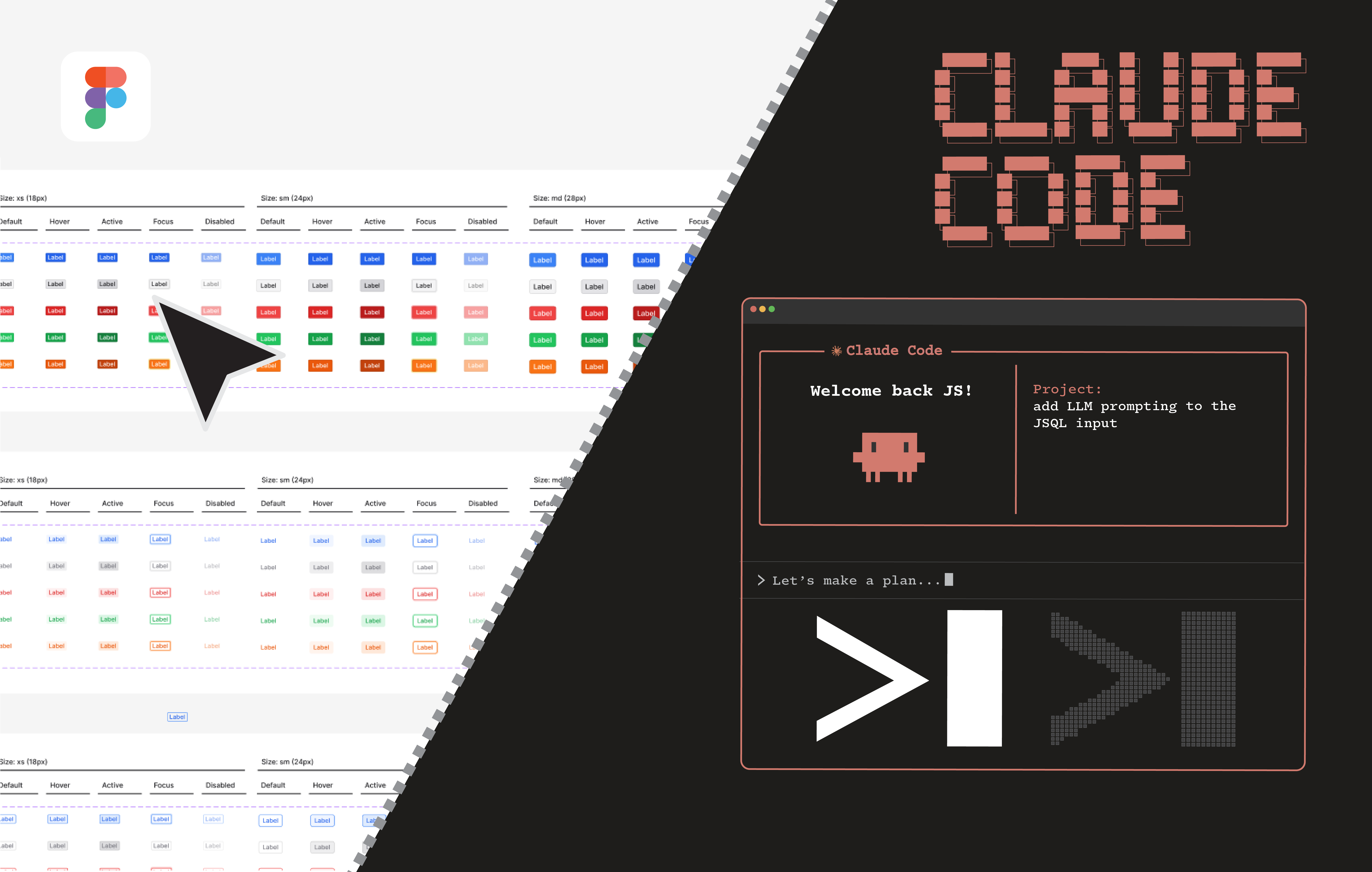

What strikes me is how practical this is. This isn’t the usual “AI will revolutionize design” slogan; it’s a specific workflow change where Claude helps a designer do the thing they were already trying to do, but closer to the final artifact. I think that’s where Claude Code feels most credible: not replacing taste or judgment, but removing the tax of turning ideas into something testable.

I’m especially interested in the “prototype in the actual codebase” part. That’s exciting because it tightens the feedback loop dramatically. A mockup can lie to you; a working prototype has edge cases, constraints, and interaction details that force honesty. If you’re building with Claude, I’d actually try this myself for product ideas that are hard to explain in Figma but easy to understand once they exist.
At the same time, I share the author’s concern about overfitting to what the model can easily produce. I think that’s a real trap. If Claude makes it effortless to iterate on what’s already in your head, you may end up polishing the first plausible idea instead of discovering a better one. Perhaps the right discipline is to use Claude for rapid embodiment, but still reserve some time for rough, dumb, non-code exploration.

The other subtle point is review culture. A fully realized prototype can be a gift, but it can also be socially awkward: people may hesitate to critique it because it feels “done.” I’d be curious whether teams can develop a stronger norm around disposable prototypes so they stay conversation starters, not shadow production systems.
Overall, this is one of the more convincing descriptions I’ve seen of Claude changing a creative workflow in a nontrivial way. The big takeaway is simple: when the model is good enough, the boundary between design and implementation starts to blur, and that can be genuinely liberating.
Reference: I design with Claude more than Figma now