What Ben Nuttall did here is oddly compelling: he took Claude and pointed it at the dusty innards of a Windows 95-era football management game, then used it to turn an opaque binary blob into something navigable, queryable, and even publishable on the web. For Claude and Claude Code users, this is the sort of project that feels genuinely useful rather than demo-cute — a mix of archaeology, data wrangling, and careful human verification.
ea demuxer.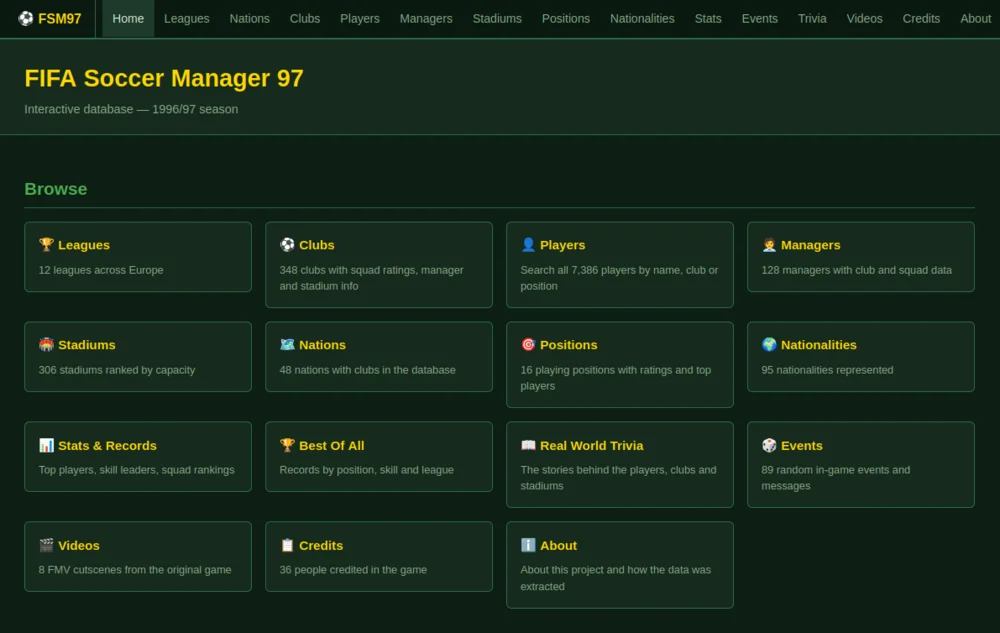
What strikes me is that this is exactly the kind of Claude project I’d actually want to do: not “write me a blog post,” but “help me make sense of a weird binary format I don’t fully understand yet.” That’s where an LLM feels genuinely strong. It can pattern-match the structure, propose a parsing model, and accelerate the first 80 percent of the work. But the important part here is that Ben didn’t stop at “Claude said so.” He verified fields by hand, corrected names, and moved the final workflow onto CSVs so the system became reproducible instead of vibes-based.
I think that reproducibility point is the biggest win. A lot of AI-assisted reverse engineering stories quietly collapse into “the model guessed correctly once.” Here, the interesting move was to turn Claude’s exploratory work into an ordinary data pipeline. That’s the boring part, and also the part I trust. If I were doing this with Claude Code, I’d follow the same shape: let the model inspect, summarize, and draft parsers, then freeze the output and interrogate that, not the source binary, for the rest of the project.
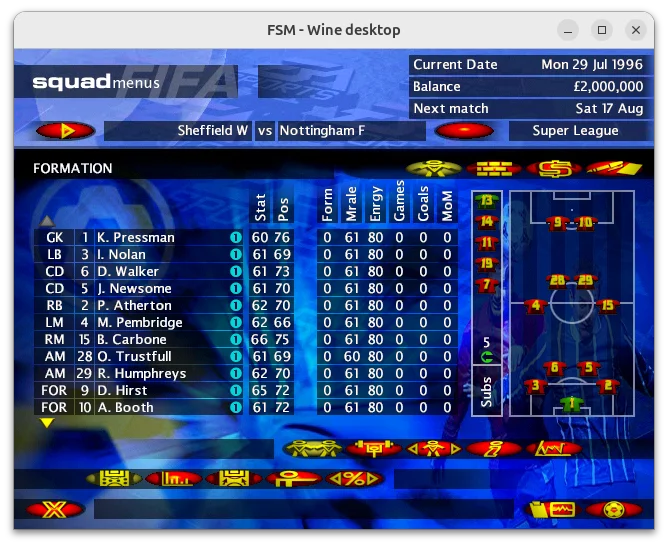
I also like that the article doesn’t pretend the LLM did everything. Ben still had to launch the game, note down stats, spot weird naming quirks, and make judgment calls about what to correct. That feels honest. The model is a very good assistant here, not a magical archaeologist.

The EA All Stars bit is the most delightfully human part of the whole thing. Someone at EA clearly had fun with the data. And honestly, that’s the sort of easter egg Claude is good at surfacing because it can connect a weird club name to a hidden pattern across the dataset. I’d be curious whether more old games have this kind of embedded metadata waiting to be unpacked.
The only part that feels a little overhyped, if I’m being blunt, is the idea that Claude “extracts data” by itself. It can help a lot, but the quality comes from the surrounding process: validation, calibration, and deciding what counts as canonical. Claude is the accelerator. Ben did the engineering.

The takeaway is simple: Claude can be surprisingly effective as a reverse-engineering copilot, especially when the end goal is a clean, shareable dataset. But the real value comes when you use it to build a toolchain you can trust, not a one-off answer.

Reference: Getting Claude to extract data from a 1997 football manager game