Anthropic’s latest post is less about flashy model capability and more about something developers actually feel every day: how much instruction to stuff into context, and where to put it. The interesting bit is that Claude Code now appears good enough that Anthropic is actively deleting old guardrails instead of piling more on, which is a pretty telling sign of model maturity.


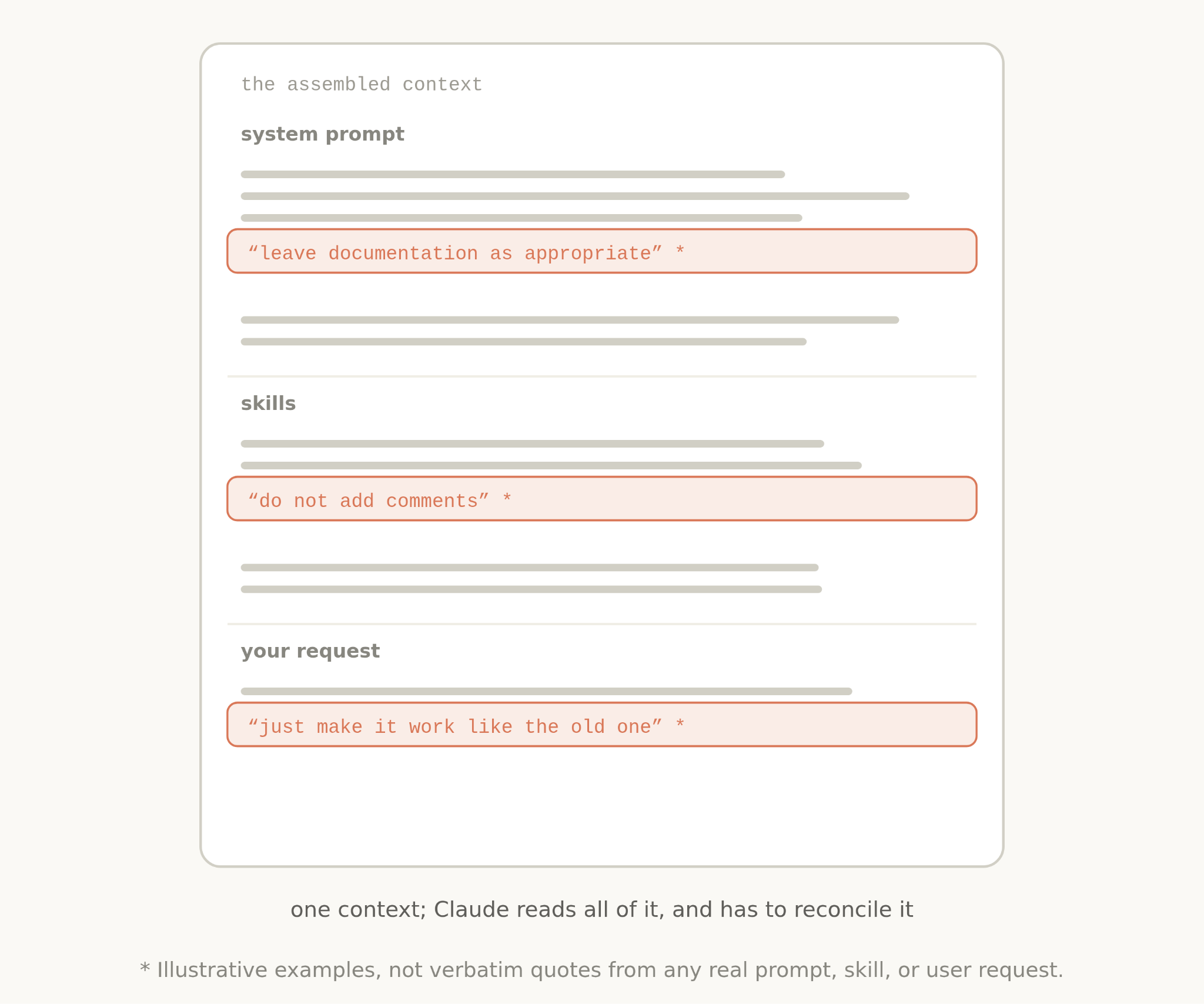
What strikes me is that this is a rare AI product post that feels operationally honest. Anthropic is basically saying: we used to compensate for weaker models by overexplaining everything, and now that’s getting in the way. That rings true. A lot of agent setups today are still drowning in policy text, “helpful” examples, and duplicated reminders that probably do more harm than good.

I think the most useful idea here is progressive disclosure. Not because it sounds elegant, but because it matches how real work happens. An agent does not need every verification rule, repo quirk, and taste preference at every step. It needs the right bit of context at the right time. That’s a much better mental model than “stuff the prompt until it squeaks.”
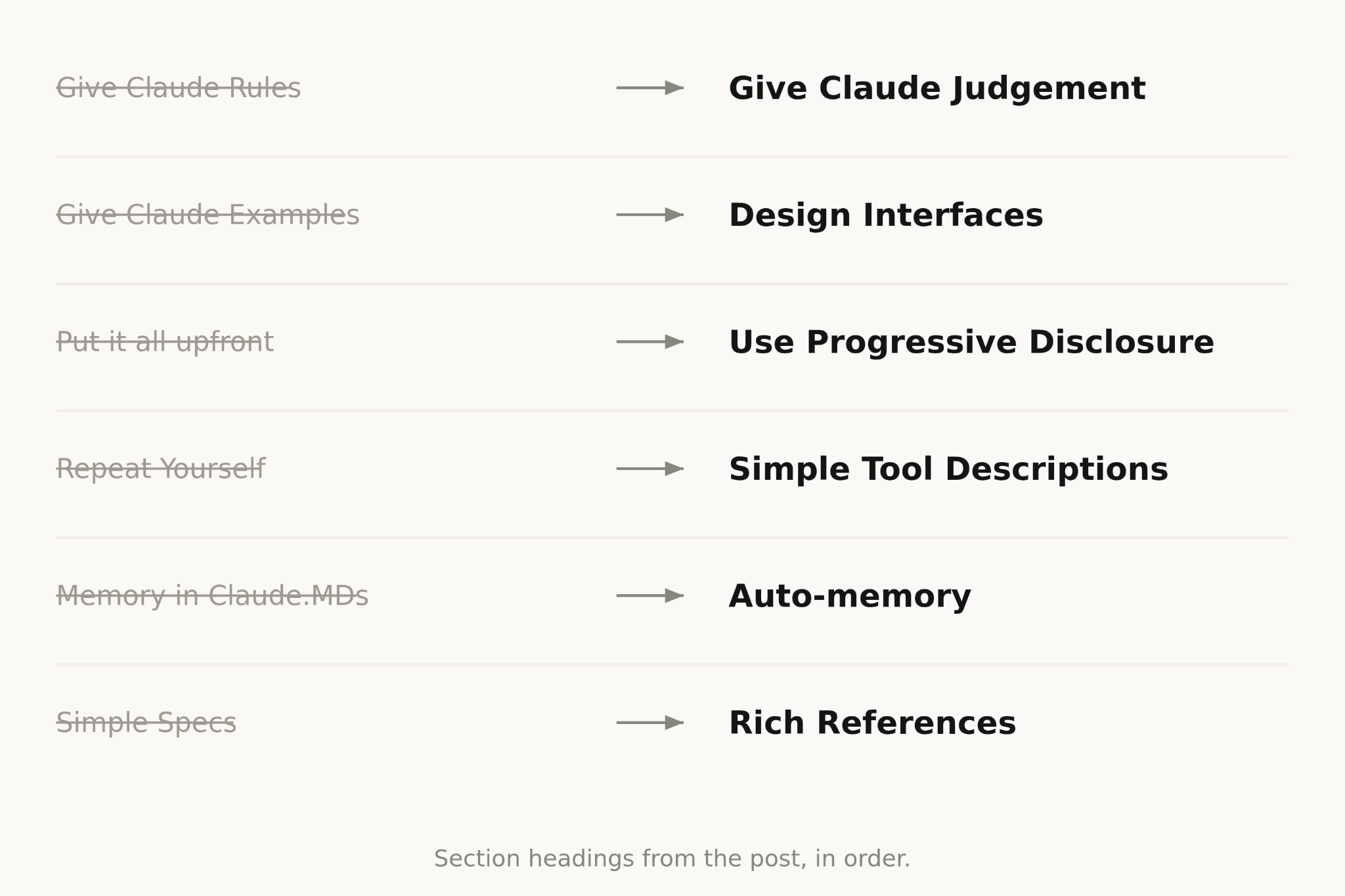
The part I’d actually try first is trimming CLAUDE.md down hard. Most repos I’ve seen contain a weird mix of obvious statements, stale conventions, and a few genuinely important landmines. Anthropic’s advice to spend tokens on gotchas instead of the obvious feels right to me. If Claude can already infer basic structure from the repo, don’t waste context repeating it.
I’m a little cautious about the “just trust the model more” vibe, though. That can be great when the model is strong and the task is well-scoped. But I think teams will still need sharp guardrails in places where mistakes are expensive. The post acknowledges that, but the general direction is unmistakably toward less scaffolding. That’s exciting, and maybe a bit dangerous if people read it as “delete all the rules.”

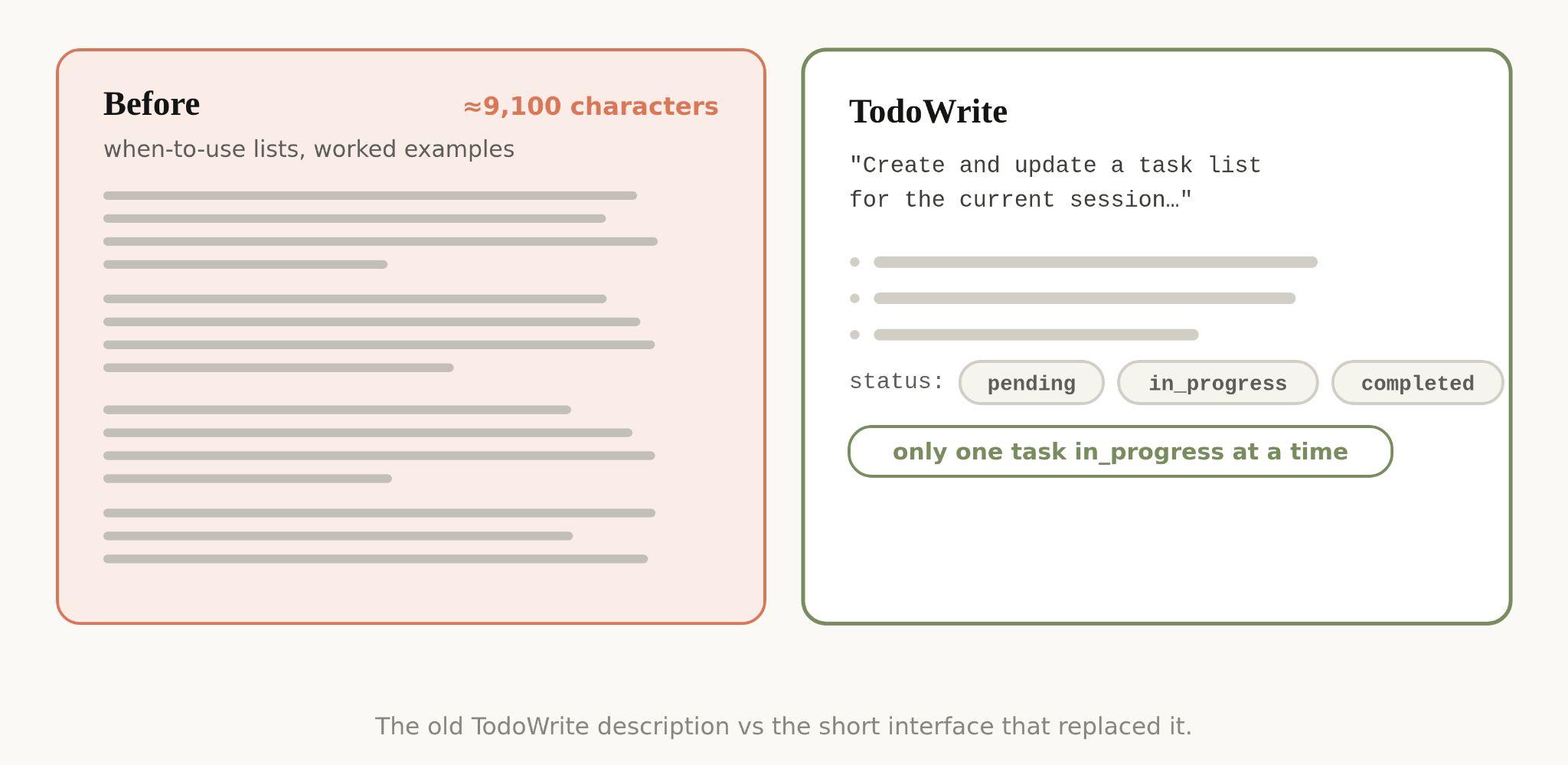
The other genuinely interesting shift is the move away from examples toward better tool design. That feels underappreciated. Examples are comforting, but they also narrow behavior in sneaky ways. If you can make the tool interface clearer and more expressive, you often get a better agent than if you just keep feeding it more sample usage. I’d be curious whether more teams will start treating agent UX like API design rather than prompt writing.

This is the kind of post that makes Claude Code feel less like a chat wrapper and more like an evolving operating environment. The headline is not that prompts matter less. It’s that context architecture matters more. If you build with Claude, that’s the part worth paying attention to.


Reference: The new rules of context engineering for Claude 5 generation models