For Claude and Claude Code users, this is one of those infrastructure updates that actually matters. More compute usually means fewer bottlenecks, higher limits, and a better chance that the product keeps feeling usable as demand climbs.
What strikes me is that this is less a product announcement than an infrastructure pressure release valve. If you build on Claude Code or lean on Opus-heavy API workloads, the practical news is simple: Anthropic is trying to make the system feel less cramped, and that’s welcome because usage limits are often where “great model” turns into “annoying tool.”

I think the most meaningful part for developers is the combination of higher limits and removal of peak-hour reductions. That suggests Anthropic knows the friction isn’t just about total capacity, but about predictability. If your workflow depends on Claude Code for long sessions, interruptions and throttling are the real productivity killer, not abstract benchmark numbers.
The SpaceX piece is fascinating, but also a little surreal. Using all of the compute at a data center tied to SpaceX is a huge near-term capacity grab, and the 300 megawatts figure is obviously not pocket change. Still, I’d be curious whether this translates into visibly better availability and latency for end users, or whether most of the gain disappears into serving existing demand and future growth.
The orbital AI compute line feels the most speculative and, frankly, the most hype-adjacent. I’m not saying it’s impossible, but “multiple gigawatts of orbital AI compute capacity” sounds like the kind of thing that belongs in a sci-fi deck until someone shows a real deployment plan. I think the near-term story is much more grounded: terrestrial datacenters, more GPUs, more regional capacity, fewer limits.
I also appreciate the international and compliance angle. A lot of enterprise AI talk ignores the boring but crucial stuff: data residency, regulated industries, and where the hardware physically sits. If Anthropic can keep making Claude easier to deploy in-region without making governance a nightmare, that’s genuinely useful—not flashy, just useful.
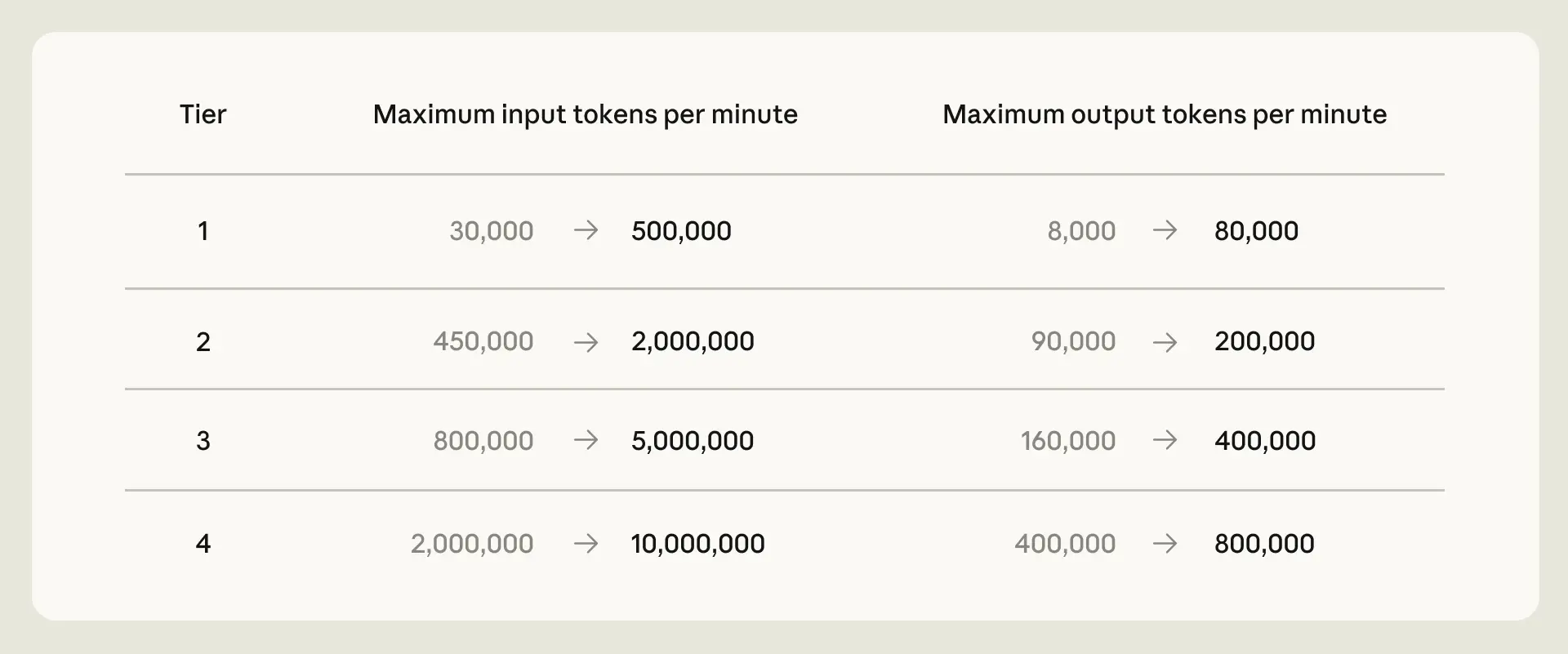
My practical takeaway: if I were running Claude-heavy workflows, I’d test whether the new limits actually remove the pain I’ve been feeling, especially around Claude Code sessions and Opus API throughput. That’s the sort of change you only really trust once you see it under real load.
Bottom line: Anthropic is signaling that capacity is becoming a first-class product feature. For Claude developers, that’s encouraging—because the best model in the world still needs enough compute behind it to stay pleasant to use.
Reference: Higher usage limits for Claude and a compute deal with SpaceX