From a Claude / Claude Code developer’s perspective, this is interesting because it’s not another vague “AI will change science” claim. It’s a concrete benchmark in a domain where precision, provenance, and readable reasoning actually matter, and Anthropic is showing Claude doing useful work on a real chemistry workflow: NMR interpretation.
What strikes me is how practical this is. A lot of AI-in-science demos lean on flashy “discover a new molecule” narratives, but this one is about a painfully normal bottleneck: reading spectra, matching peaks, and reconstructing structures. That’s the kind of work where even a modest assistant can save real time if it’s reliable enough.
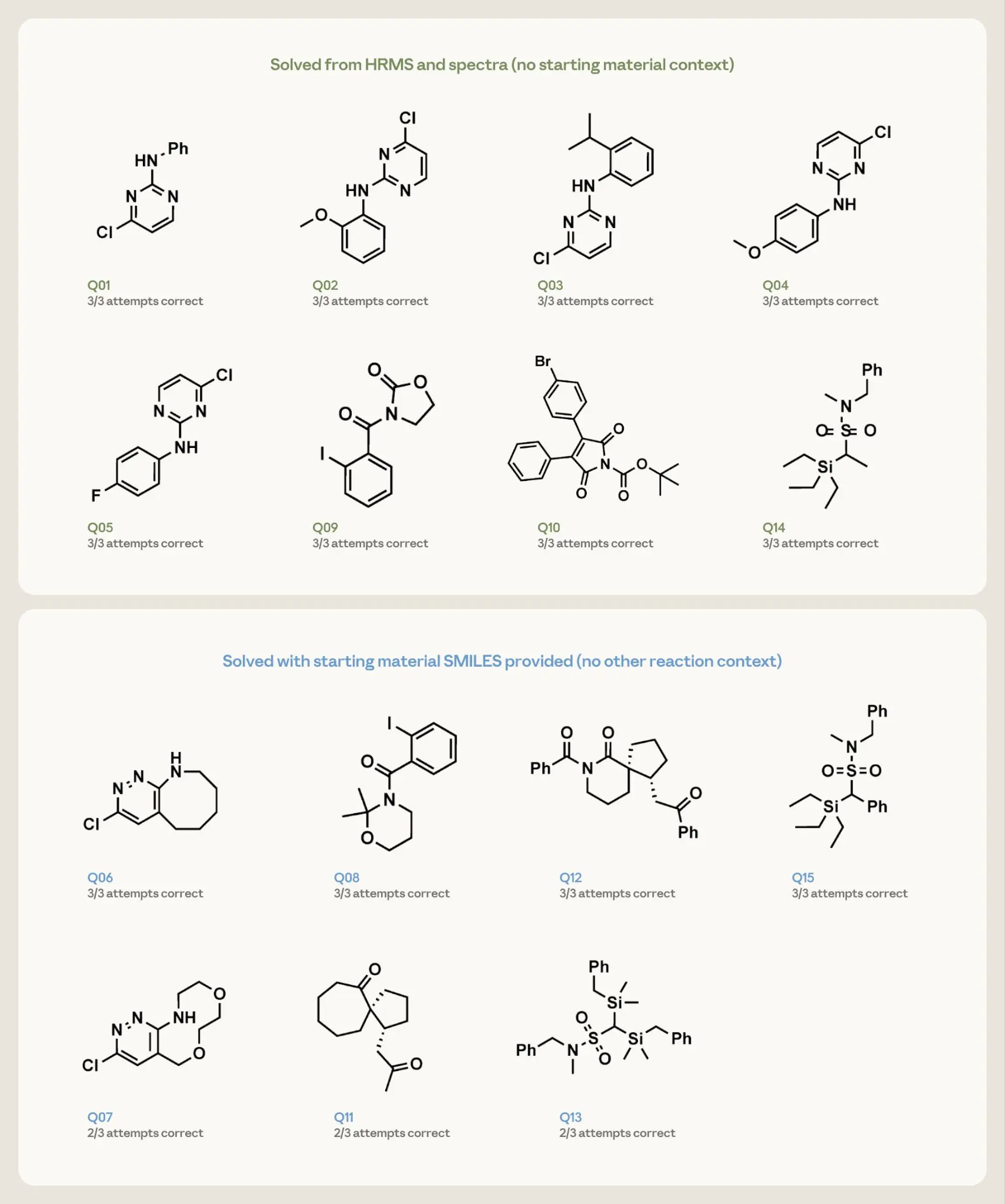
I think the most interesting part is not that Claude beat classic tools outright in every category, but that a general-purpose model got close enough to be useful on a task that used to belong to specialist software and human judgment. The inverse task is even more compelling. Being able to go from a 1D peak list and formula to plausible candidate structures in chat feels like the sort of thing chemists would actually try, especially if they can inspect the reasoning step by step.
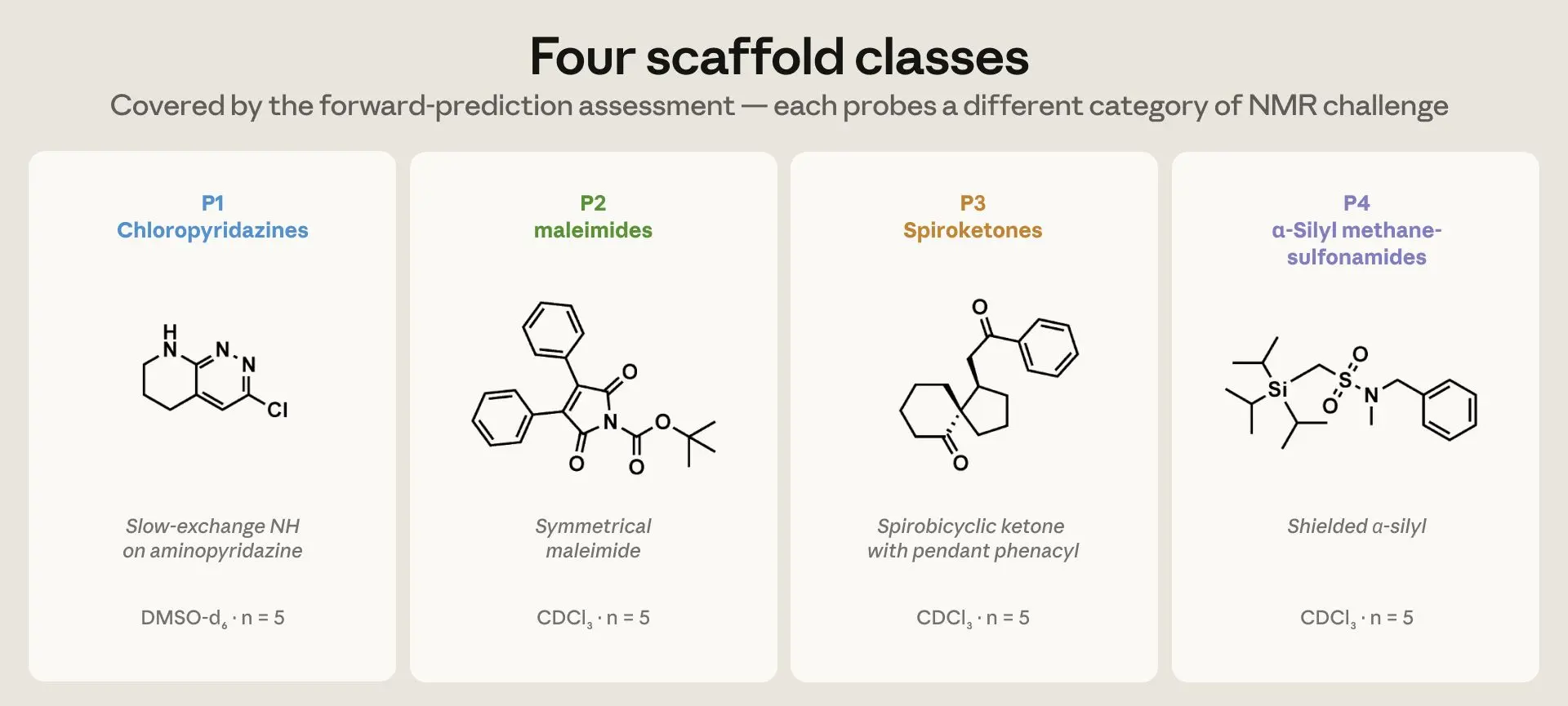
That said, I wouldn’t oversell this. The evaluation is small, and the paper itself admits it. Twenty compounds for forward prediction and fifteen for inverse elucidation is enough to be encouraging, but not enough to declare victory across chemistry. I’d be curious whether the gains hold up on messier lab data, edge-case solvents, bad baselines, or compounds that don’t fit neat scaffold families.
What I’d actually do with this as a Claude user is treat it as a strong assistant for triage and cross-checking, not as a source of truth. I’d use it to translate spectral data into candidate structures, sanity-check a proposed synthesis product, or help parse a methods section faster. I would not trust it blindly on a high-stakes structural assignment without human review and proper instrumentation context.
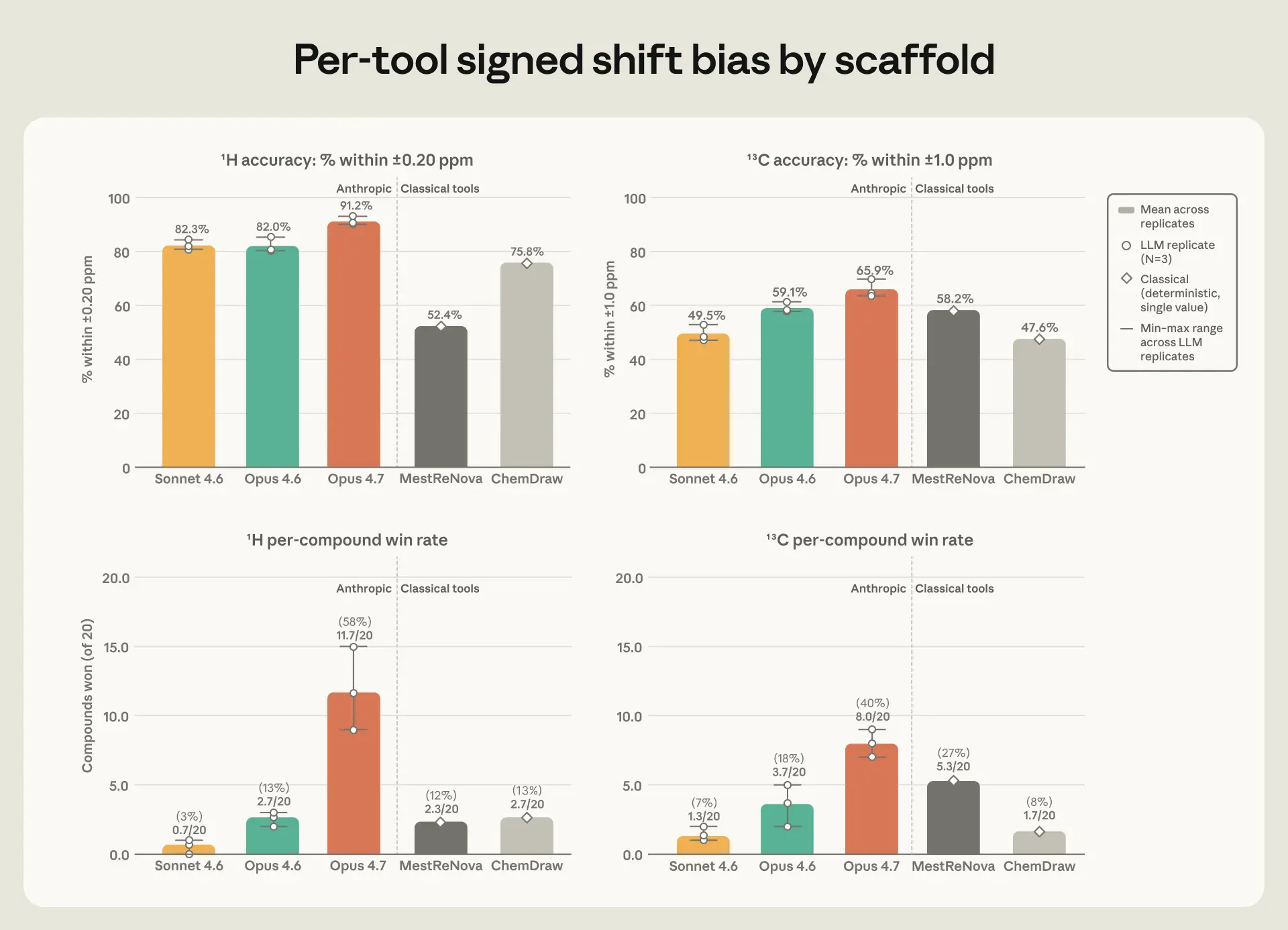
Still, this is one of the more believable “AI for science” stories I’ve seen. It’s narrow, measurable, and clearly tied to a real workflow chemists already live in.
The takeaway: Claude is starting to look useful in chemistry not as a magical scientist, but as a competent translational layer between human intent, scientific notation, and instrument data. That’s much less hypey — and a lot more actionable.
Reference: Making Claude a chemist