BEEP-8 is a fantasy console for making small retro-style games, but it takes a different technical path from most of the field: instead of using a scripting language, it compiles standard C/C++ into real ARM machine code that runs in the browser. It exists for developers who want the discipline of a constrained game machine while still writing code in a familiar systems language.
That combination makes it an unusual entry in the fantasy-console space. The limitations are deliberate, and they shape both the kind of games you make and the way you make them.
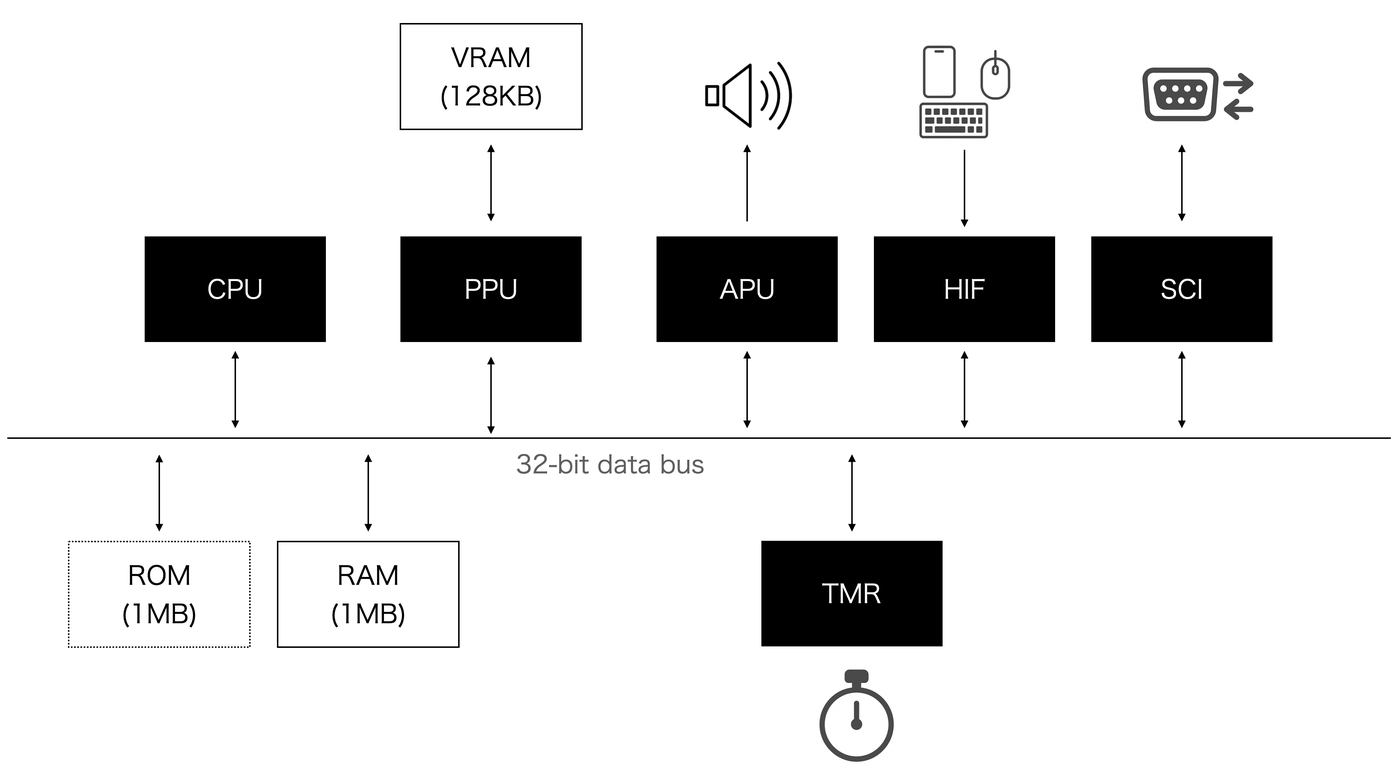
| Spec | Value |
|---|---|
| Display | 128×240 px, portrait orientation |
| Palette | Fixed 16-color palette, 4-bit |
| Language | C/C++ (C++20) |
| Code model | Compiled ARM machine code |
| CPU | Emulated ARM v4a, about 4 MHz |
| Memory | 1 MB main RAM |
| ROM per game | Up to 1 MB |
| VRAM | 128 KB |
| Audio | 8 channels, Namco C30-style PSG |
| Distribution | Web-based via beep8.org |
For a quick orientation before the details, BEEP-8 was recently spotlighted in a wider retro/emulation news roundup. The clip below is queued to the BEEP-8 segment, which starts around the 9:00 mark — if the player begins from the top, skip ahead to about 9 minutes in.
It uses compiled native-style code, not an interpreted scripting language.
Most fantasy consoles center on a high-level language such as Lua. BEEP-8 instead builds games with GNU ARM GCC and runs ARM machine code in the browser. That changes the feel of development: you are still in a constrained “console” environment, but the code model is closer to embedded or low-level game programming.
It is built around a portrait display.
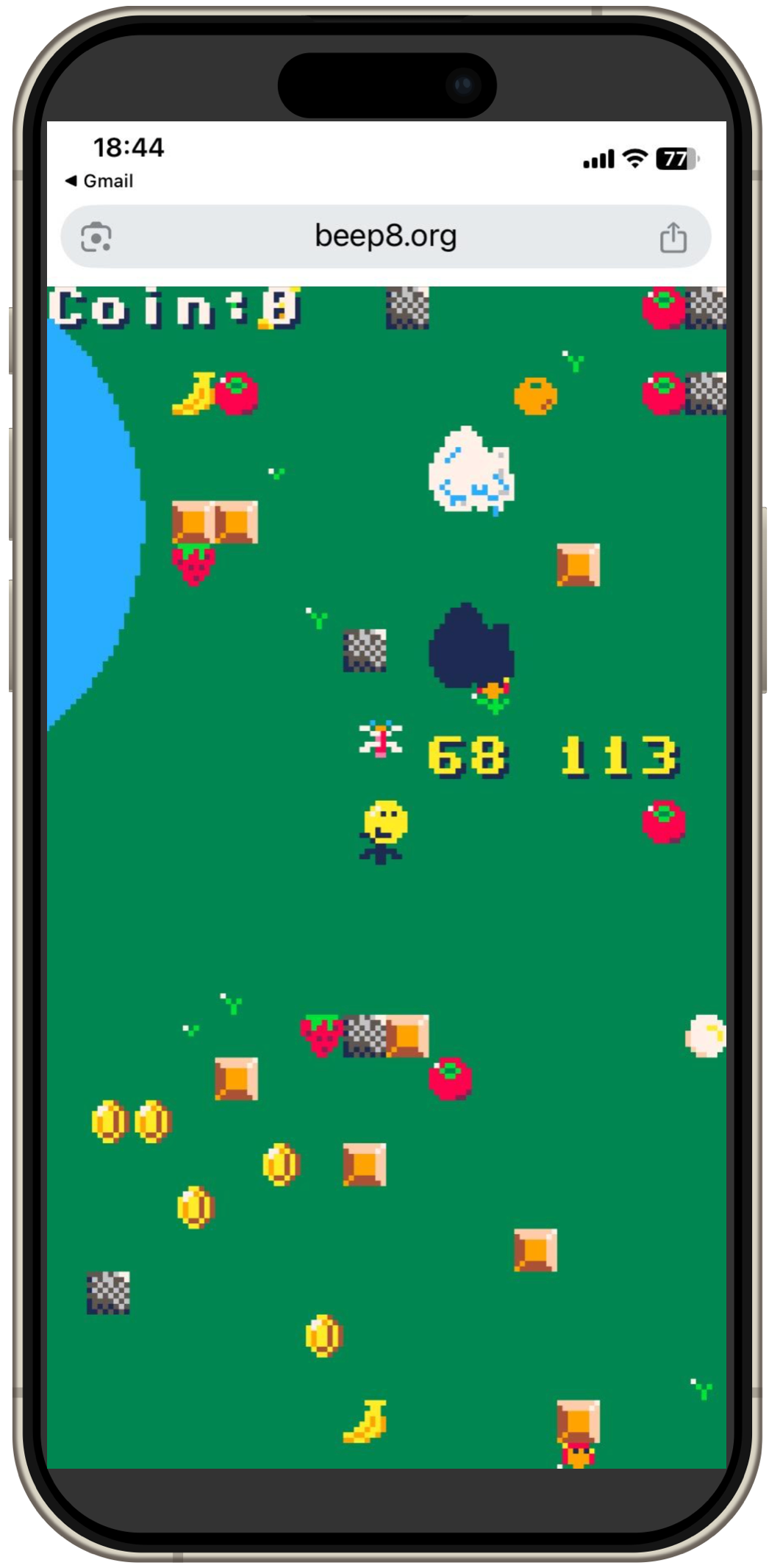
BEEP-8 targets 128×240 pixels in portrait orientation, which makes it unusual among fantasy consoles and clearly aimed at vertical smartphone play. The project also notes a goal of stable 60 fps in the browser on phones, with multi-touch input support.
Its graphics and audio are tightly specified.
The console uses a fixed 16-color palette and 4-bit VRAM, with a PPU that handles background layers, sprites, and line/wireframe drawing. Audio is handled by 8 channels using a Namco C30-style PSG sound engine. Those limits encourage simple visual composition and compact sound design.
It is distributed entirely through the web.
According to the official site and SDK documentation, developers upload and share apps through the beep8.org portal, and games run in-browser on iPhone and Android. That keeps the platform aligned with modern web distribution rather than desktop-only cart files or store packages.
It ships as an SDK, not just a toy environment.
The official BEEP-8 SDK is open source under the MIT license and maintained by the BEEP-8 project. The docs describe a C/C++ workflow, an optional compatibility library with a PICO-8-like feel, and the expected toolchain around compiling to ARM code.
For newcomers, that means BEEP-8 is less about writing “cute” scripts and more about learning how to make compact games under explicit machine constraints. It is still a fantasy console, but one with a very engineering-forward flavor.
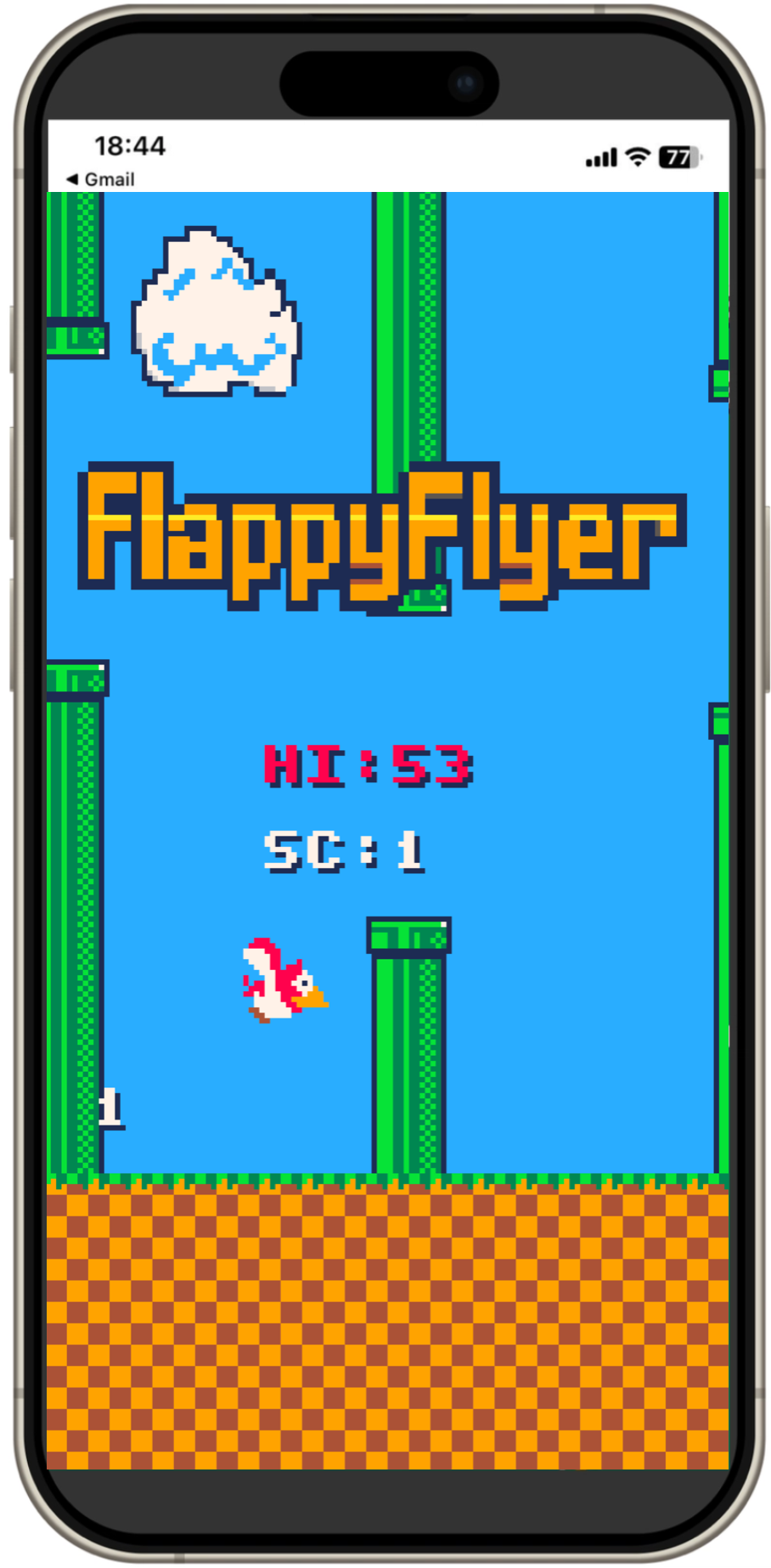
If you want a quick look at the kind of output BEEP-8 is aiming for, this community demo shows how the platform can handle a simple retro arcade concept in-browser.
BEEP-8 belongs to the same broad hobbyist tradition as PICO-8, TIC-80, PixelVision8, WASM-4, and LIKO-12, but it sits at an interesting point on that map. Like the others, it is a deliberately limited game machine designed for small projects, sharing, and experimentation. Unlike many of them, BEEP-8 emphasizes compiled C/C++ and a browser-first, mobile-friendly runtime rather than a scripting-heavy workflow.
Compared with PICO-8, the difference is mostly in language and hardware model. PICO-8, from Lexaloffle Games, is a well-established fantasy console with built-in editors for code, sprites, maps, sounds, and music, and it uses Lua for programming. Its display is 128×128 with a fixed 16-color palette, and carts are shared through the Lexaloffle BBS and the in-app Splore browser. BEEP-8 is similarly constrained in spirit, but it aims at portrait mobile screens, uses C/C++, and compiles to ARM machine code rather than interpreting a scripting language. In other words, PICO-8 feels closer to an all-in-one creative toybox, while BEEP-8 is closer to a compact systems-programming platform wrapped in fantasy-console form.
That difference becomes clearer when you look at the surrounding ecosystem. PICO-8 has a long-running community, a famous set of built-in tools, and a broad body of examples, including well-known games such as Celeste Classic, which was made in PICO-8 before the commercial release of Celeste. If you are studying fantasy consoles as a genre, PICO-8 is often the reference point for the “self-contained, all-in-one cartridge” model. BEEP-8 is younger and narrower in scope, but its source-backed emphasis on browser delivery and real machine code gives it a distinctive identity.
Against TIC-80 and LIKO-12, BEEP-8’s biggest difference is again its toolchain and runtime assumptions. Those systems are also built around constrained creative coding, but BEEP-8’s official documentation focuses on ARM compilation, a portrait display, and a mobile/browser target. WASM-4, meanwhile, is another web-oriented fantasy console, but its defining constraint is WebAssembly and the browser as the runtime substrate, not ARM machine code. So while all of these projects ask “what if games lived inside a small, artificial machine?”, they answer that question differently.
BEEP-8’s official docs and GitHub repository are the primary sources for those differences. If you are comparing platforms, it is worth checking the official BEEP-8 documentation first, then reading the community-facing material for examples and conventions rather than assuming the platform works like PICO-8 or TIC-80.
The original PICO-8 intro video is still a useful reference point for understanding what a fantasy console is in general, even when you are researching a newer platform like BEEP-8.
BEEP-8 matters because it shows that fantasy consoles do not have to converge on one common formula. PICO-8 made the genre legible to many newcomers by combining a fixed palette, a compact screen, a built-in editor suite, and a friendly Lua workflow. BEEP-8 takes the same “small machine” idea and asks a different question: what happens if the constraint is not just the hardware budget, but also a more traditional compiled language and an ARM-like execution model?
That has longer-term value for hobbyist developers. Some creators prefer scripting languages because they are fast to iterate in; others want a path that feels closer to embedded development, performance-conscious game programming, or low-level optimization. BEEP-8 makes room for that second group without leaving the fantasy-console frame. Because the console is open source and web-based, it also fits a modern pattern where the platform itself can be inspected, studied, and extended.
There is also a practical ecosystem angle. Web distribution lowers the friction of sharing small games, and mobile browser support makes the platform relevant to the way many people actually consume casual games now. If BEEP-8 continues to grow, its significance may be less about any single “killer app” and more about proving that a fantasy console can support a compiled-language workflow while remaining approachable and portable.
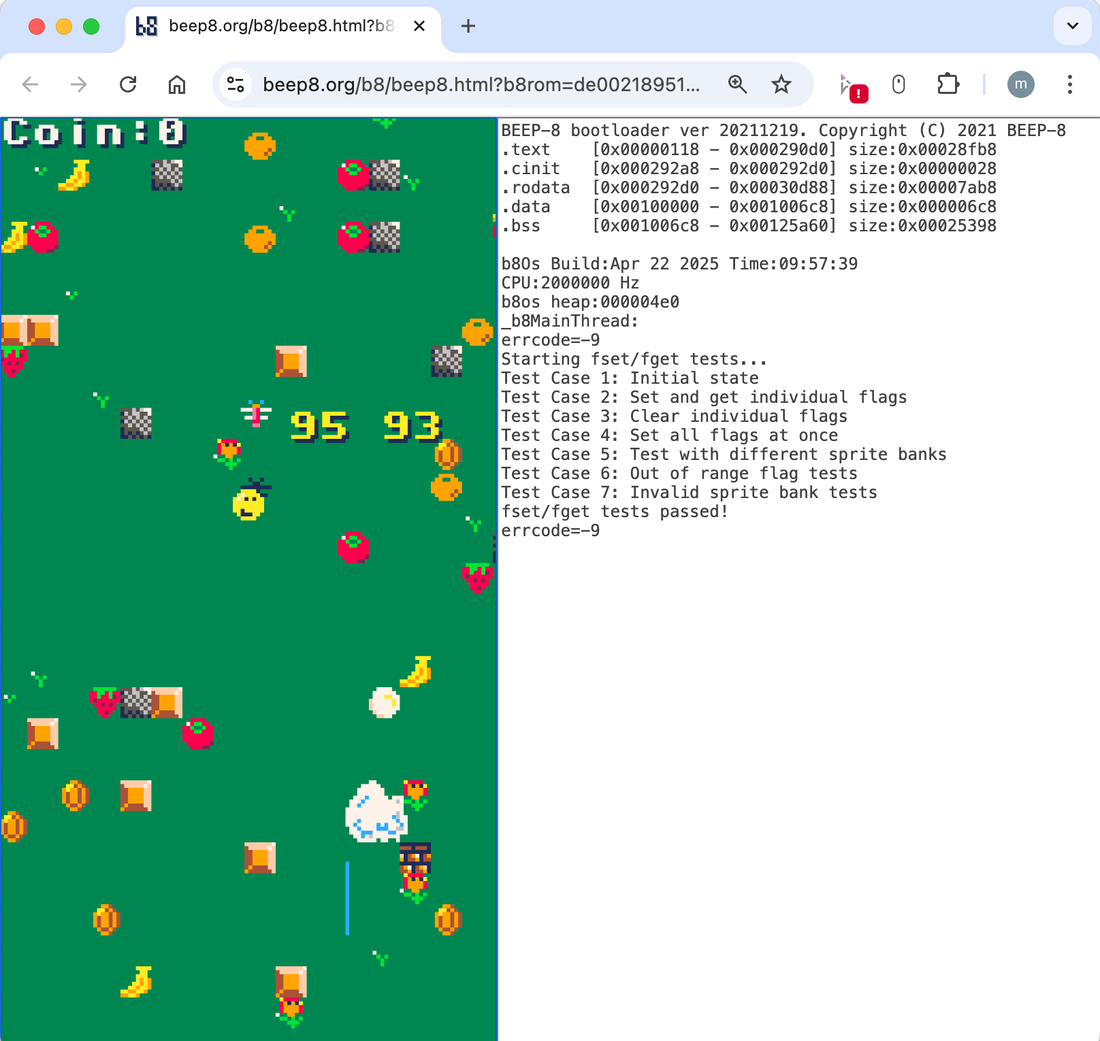
For readers who want to dig deeper, the BEEP-8 project page and SDK documentation are the best starting points, and the official portal shows how the web-first distribution model works in practice.
BEEP-8 is a good fit if you:
It may be less suitable if you want the fastest possible on-ramp for complete beginners. PICO-8’s Lua workflow and built-in editors are often easier for first-time game makers to explore. BEEP-8 is still accessible, but its learning curve is shaped by C/C++ conventions and a more technical mental model.
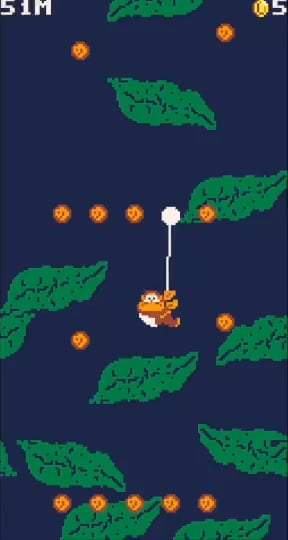
A few community threads and demos around BEEP-8 and adjacent fantasy-console / low-level graphics work:
The SDK and full source live on GitHub. The repository card below links straight to it:
Start with the official site and SDK docs at beep8.org and beep8.github.io/beep8-sdk, then browse the official portal to see how published apps are shared and played.